Disclosure: We are not an Amazon Associate or an Etsy affiliate. Links go to third-party retailers as ordinary product links and earn us nothing. We chose these picks from our catalog without looking at commission, and we have not tested or rated them — what follows is what the listings state and what public guidance says. Prices and availability are set by the retailer. Full disclosure.
Water is the first thing that fails and the first thing worth buying for, because the arithmetic is so plain. Public preparedness guidance (Ready.gov and the Red Cross) says to plan on at least one gallon per person per day, for at least three days, and to go toward two weeks if you can. A household of four on the three-day floor is twelve gallons. On the two-week target it is fifty-six. Those numbers cover drinking and basic hygiene; they are a floor, not comfort.
Decide What Problem You Are Buying For
Storage and treatment are different purchases, and most disappointment comes from buying one and expecting the other.
- Storage answers "the tap stopped." You fill containers while the water is still good.
- Filtration or purification answers "the tap is unsafe, or there is no tap." It makes water from a stream, a rain barrel or a questionable supply drinkable.
- Collection answers "this will last more than a few days." It gives you something to filter.
A filter with nothing to filter is a countertop ornament; a barrel of water with no way to treat it is a barrel of risk. Most households want storage first, treatment second, collection third.
Know What a Filter Does Not Do
Filters, purifiers and disinfectants are not interchangeable terms. The EPA and CDC distinguish between removing particles and protozoa, removing bacteria and viruses, and removing dissolved chemicals, and a given product may do only some of these. Read the manufacturer's stated performance claims and the third-party test or certification they cite, if any, before you rely on a product for a particular threat. If a listing does not say what it removes, treat that as information.
The old backstops still work and cost almost nothing. The CDC advises a rolling boil for one minute (three minutes above 6,500 feet), and it publishes a bleach-disinfection method for clear water using plain, unscented household bleach. Look up the current dosing table from the CDC rather than trusting a number from a blog, ours included. Keep a pot and that page bookmarked, and your picks become comfort and convenience rather than a single point of failure.
The Picks
All of these are in our catalog. We list what each listing says about itself; we have not used them.
Storage
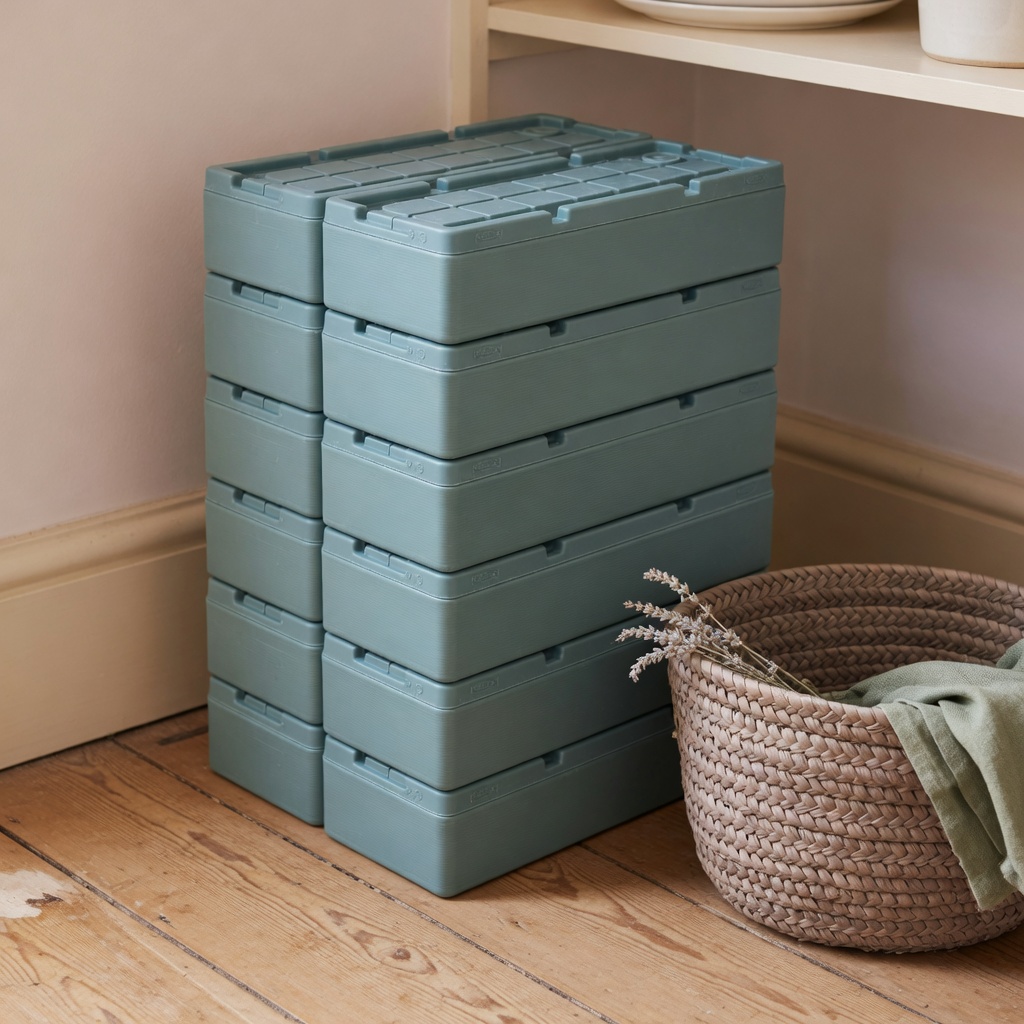
- WaterBrick 3.5 Gallon Stackable Water Container (Amazon) — a single stackable container; the listing title gives the size. Buy one first and see if you can lift it full: water weighs about 8.3 pounds per gallon.
- WaterBrick 10-Pack Stackable Container System (Amazon) — the same container by the pack. Ten at 3.5 gallons is 35 gallons, enough for a household of four at the one-gallon rule for roughly nine days, assuming no other source.
- Traditional Terracotta Water Vessel with Wood Stand (Etsy) — a decorative, cooling-style kitchen vessel for daily use. It is a household water habit, not a bulk reserve; ask the seller about capacity and whether it is food-safe and glazed before you buy.
Treatment
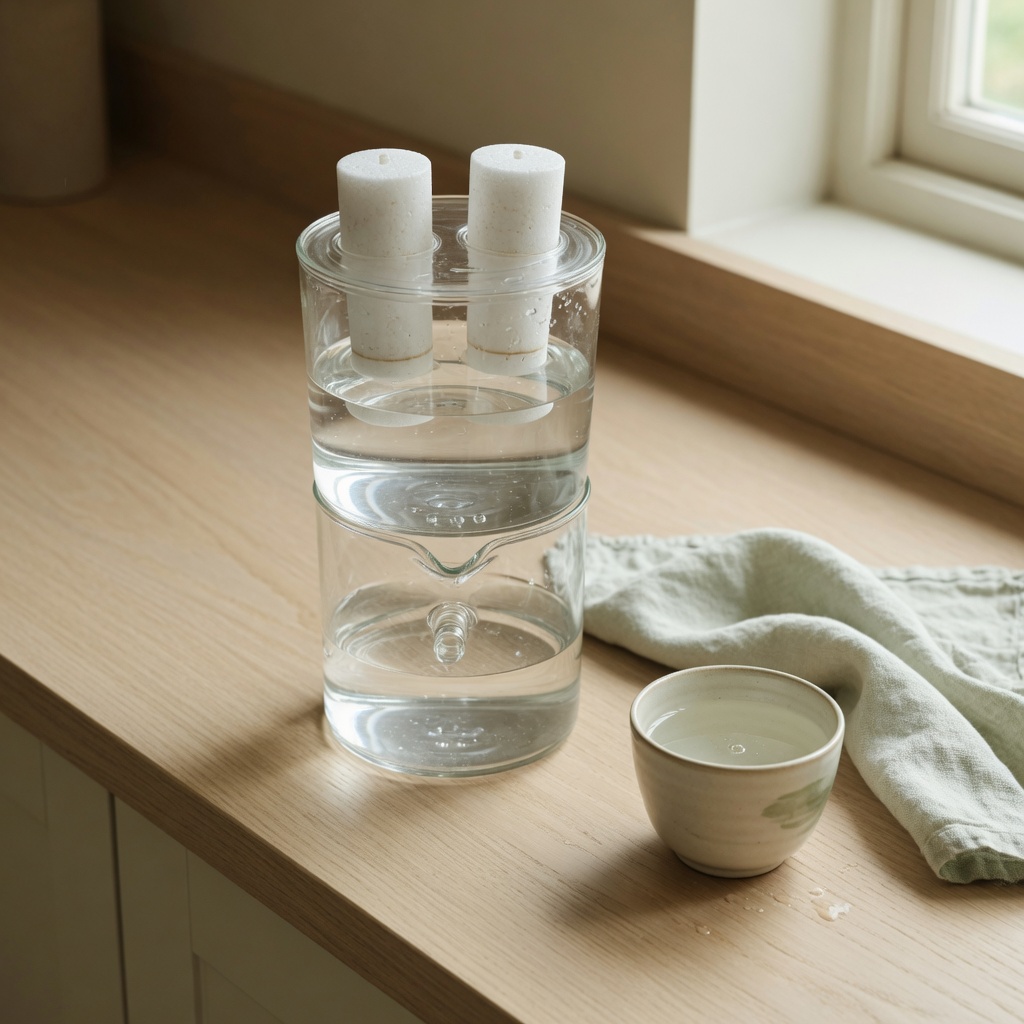
- Big Berkey Gravity-Fed Water Filter with 2 Black Elements (Amazon) — a gravity-fed countertop system that needs no power. Check the maker's published test results for the specific contaminants you care about.
- Zen Water Systems 4-Gallon Countertop Filtration System (Amazon) — a lower-cost gravity unit at four gallons by title. Compare element life and stated removal claims against the Berkey above; do not assume they match.
- Santevia Gravity Water System - Glass Edition (Etsy) — a glass-bodied gravity system; confirm with the seller what is included and what the filter stage is rated to remove.
Collection
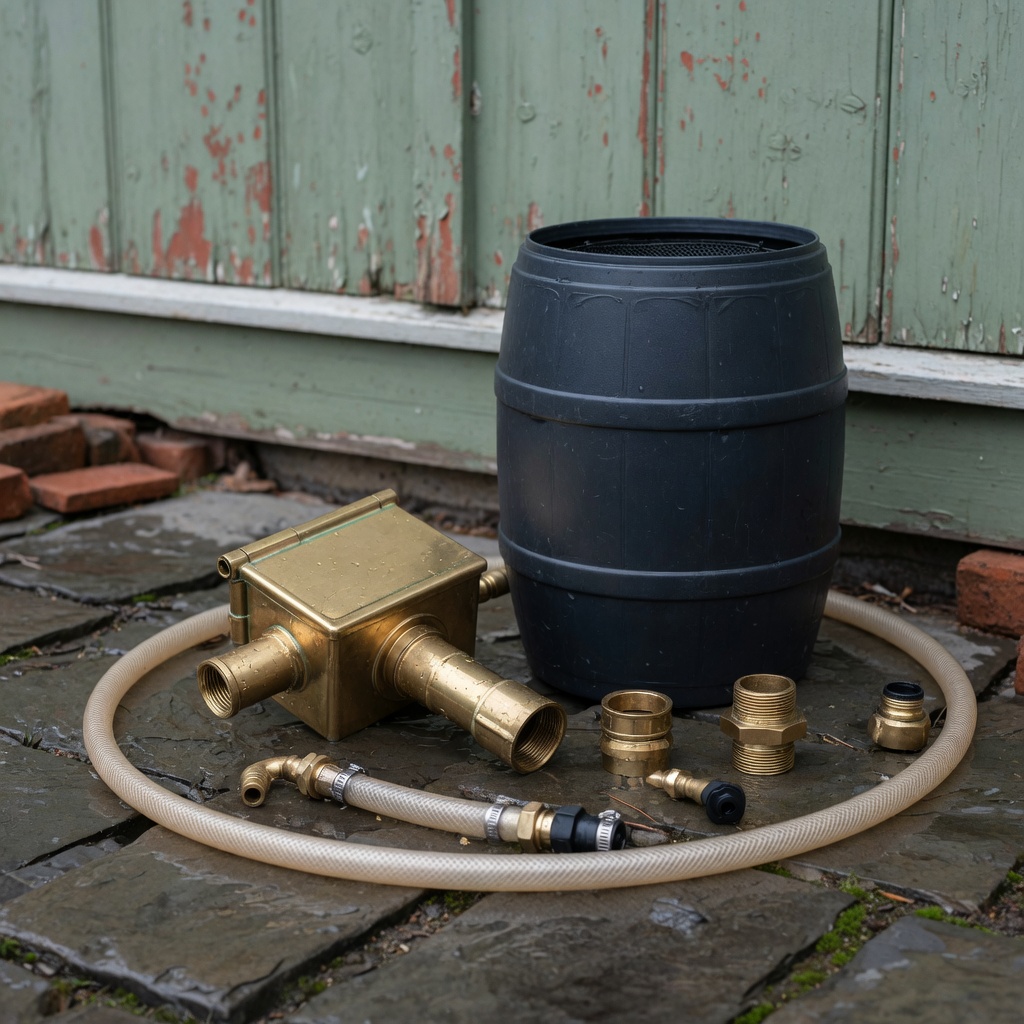
- EarthMinded DIY Rain Barrel Diverter and Parts Kit (Amazon) — diverts downspout water into a barrel you supply. Rain from a roof is not drinking water until you treat it, and some places restrict collection, so check your local rules.
A Sensible Order
Fill what you already own first: clean, food-grade containers cost nothing. Buy stackable storage until you reach three days for everyone in the house. Then buy one treatment method you understand, keep boiling as the fallback, and only then think about collection. Rotate stored water on the schedule the container's maker states, and label the date on the side.
The same ladder from the other end, with a worked three-day plan, is in the 72-hour water plan. Where your household stands today is what the assessment measures.
Reading is a way of having. This post is a knowledge offering — thinner evidence than a practiced kit, thicker than an unread tab.