Ask anyone who has been through a bad week — the ice storm, the four-day outage, the flooded spring — and their story has the same supporting character: a house. The one with the wood stove. The one where the soup was. The one where everybody's kids ended up asleep in a pile of blankets in the living room. Every storm story has an anchor house.
This is a field guide to becoming it on purpose.
Anchor Houses Are Made, Not Born
The anchor house is rarely the biggest house on the street. It's the ready one — the one where hosting six extra people is a Tuesday-scale event instead of a crisis. That readiness is not a personality trait. It's a capability, and like most capabilities it decomposes into parts you can simply acquire: beds, a big pot, and a table that seats twelve. All three together cost a few hundred dollars and change nothing about your ordinary life, except that your ordinary life gets more parties in it.
Define the target plainly: shelter and feed three to six extra people for 72 hours without your own household coming apart. Modest words. Street-changing capability.
Beds: The Sleep Math
Start by counting what you already have. Each couch sleeps one adult or two small kids. A guest bed, if you have one, sleeps two. Then the multipliers: a queen air mattress is about $50 and sleeps two more; a stack of foam pads and bedrolls turns living-room floor into honest camping. A typical suburban living room absorbs five to eight extra sleepers this way, which means an ordinary three-bedroom house can hold twelve people overnight without anyone in a hallway.
Set the bar deliberately: warm, dry, safe. Not "comfortable as home." This is camping indoors, and everyone knows it, and that shared knowledge is half the coziness.
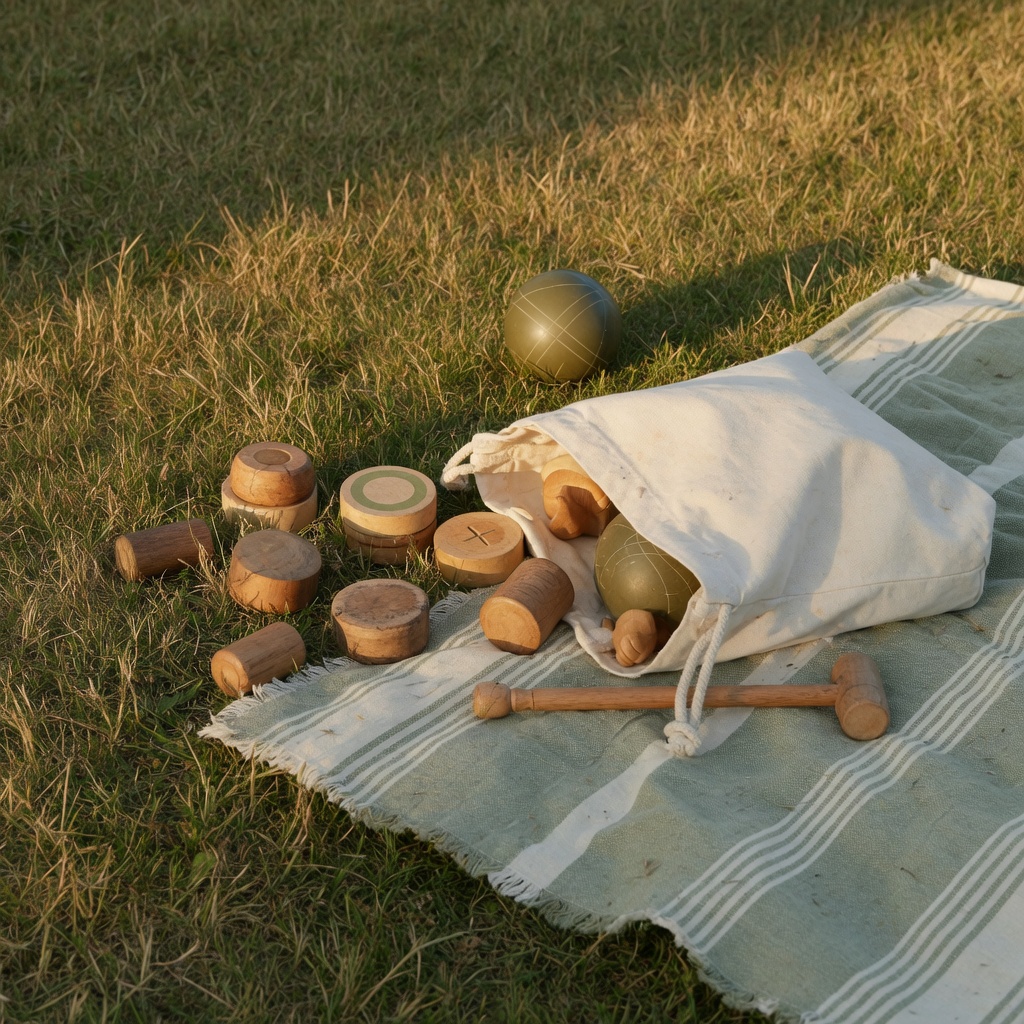
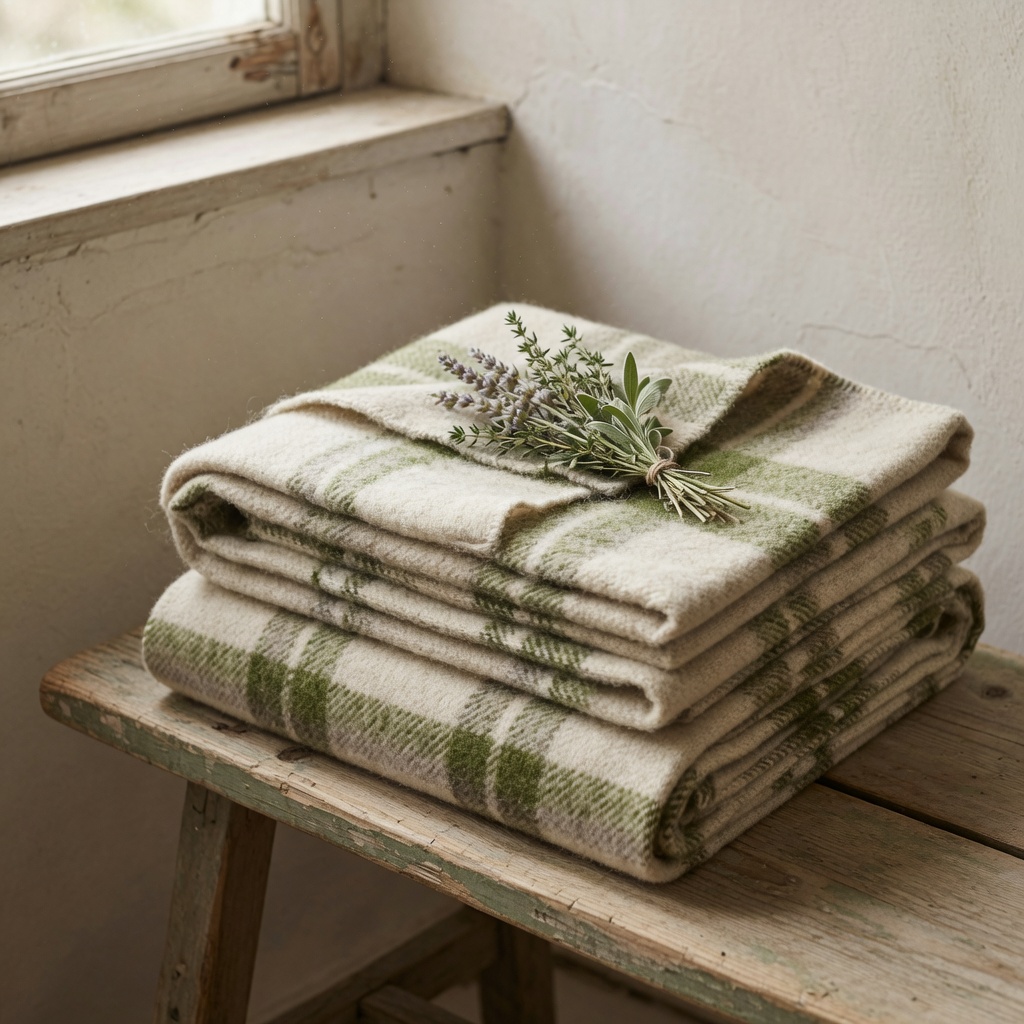
The gear fits in one closet bin: two air mattresses, a pump, spare pillows, and a stack of natural wool blankets. Wool specifically — it stays warm even damp, shrugs off decades of washing, and doubles as picnic and backyard-movie-night equipment all year. That's the test of anchor-house gear: it earns its keep on ordinary weekends, then happens to be exactly what a hard week needs.
The Big Pot
Feeding twelve is not cooking three dinners at once. It's one-pot arithmetic. A 12-quart stockpot or Dutch oven — about $60 — makes chili, red beans and rice, soup, or pasta for a dozen people in a single move, and the recipes at that scale are more forgiving, not less.
The numbers are friendly. Bulk staples run $5 to $6 per person per day, so about $200 to $250 feeds twelve people for three days: oatmeal mornings, sandwich noons, one-pot evenings. That entire reserve fits in two bins in the garage — and if you already keep a deep pantry that gets used, you own most of it right now. Add a two-burner camp stove and the menu survives a kitchen with no power.
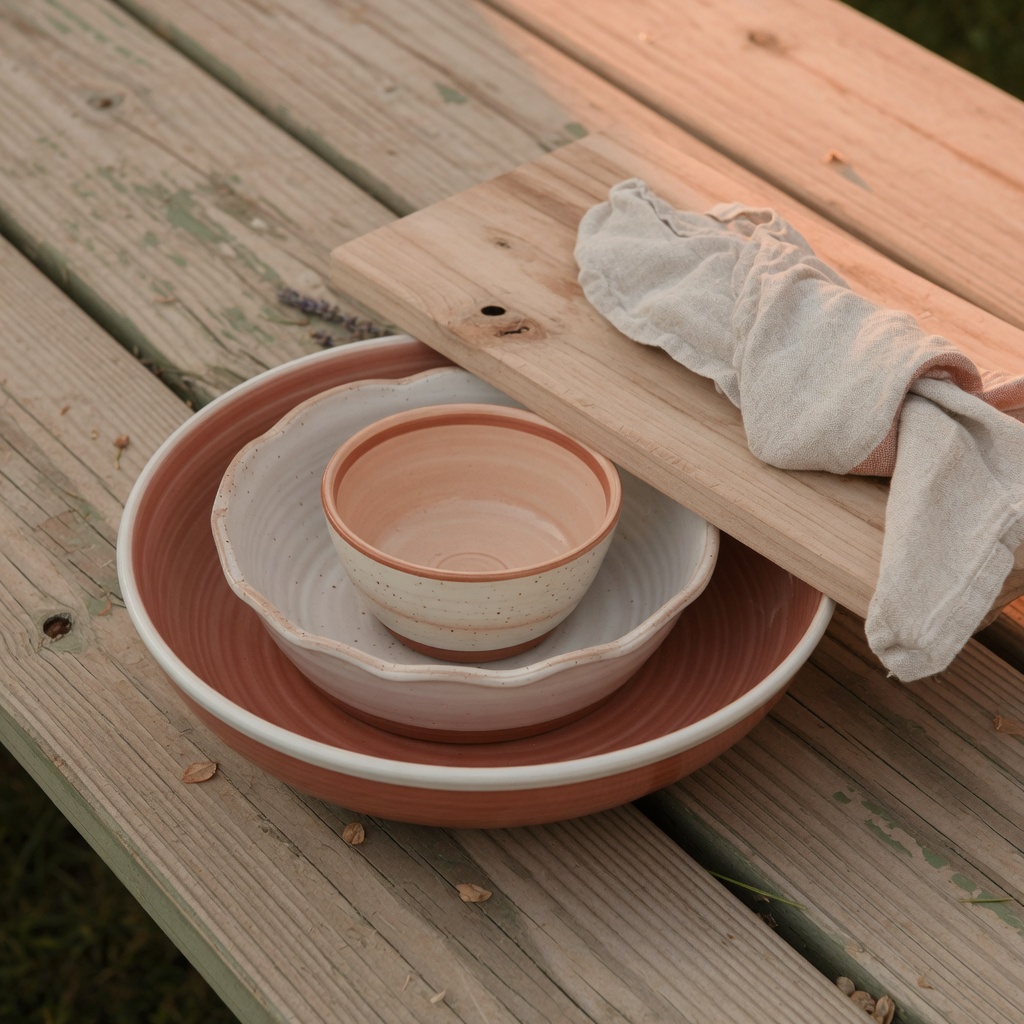
A potluck starter kit — plates, serving spoons, the unglamorous logistics of feeding a crowd — lives in the same cupboard and gets used far more often than any of this implies. Feeding twelve, it turns out, is a skill your house can just have.
A Table That Seats Twelve
The third layer isn't hardware, though hardware helps — the leaf that's been in the basement since you bought the table, a bench, folding chairs, the multi-use furniture that turns a den into a dining hall in ten minutes. The third layer is culture, and it's the one people skip.
Multiple households under one roof need three agreements, stated out loud, cheerfully, on day one: everyone cooks once and cleans twice; quiet hours are real (9 to 7 works); every family gets one corner that is theirs alone. Kids need a job and a game — a shelf of board games and a deck of cards is morale infrastructure, not clutter. Bored kids in close quarters are weather.
And here is the part the logistics-minded miss: the table is why the anchor house works. Twelve people fed at one long table are a group with a story they'll tell for years. Twelve people eating separately in corners are just crowded. The pot feeds bodies; the table does the rest.
Practice Is a Party
You do not drill this. You host it. The full dress rehearsal for sheltering three families is a potluck, a backyard movie night, a cousins' sleepover — same beds, same pot, same table, sunshine version. A household that hosts twice a year will be startled by how normal the storm version feels: the air mattresses have known locations, the big pot has known recipes, the kids already have a floor they think of as theirs.
This is also, not coincidentally, how a street becomes a street. We keep saying the first shared meal is the conversion event that matters, and the hosting household is where it usually happens — somebody has to own the long table.
This Month
Do the count tonight: how many extra people could you sleep, and how many could you feed for three days? Write both numbers down. If the answer is "two, awkwardly," one air mattress, a stack of wool blankets, and a big pot moves it to six by Friday for about $200.
Then say the sentence to your three — the neighbors you'd call at 2am, the ones worth naming if you haven't: "If anything ever goes sideways, our house. There's room." Eight words. Every storm story on your street will bend toward them.
Reading is a way of having. This post is a knowledge offering — thinner evidence than a practiced kit, thicker than an unread tab.